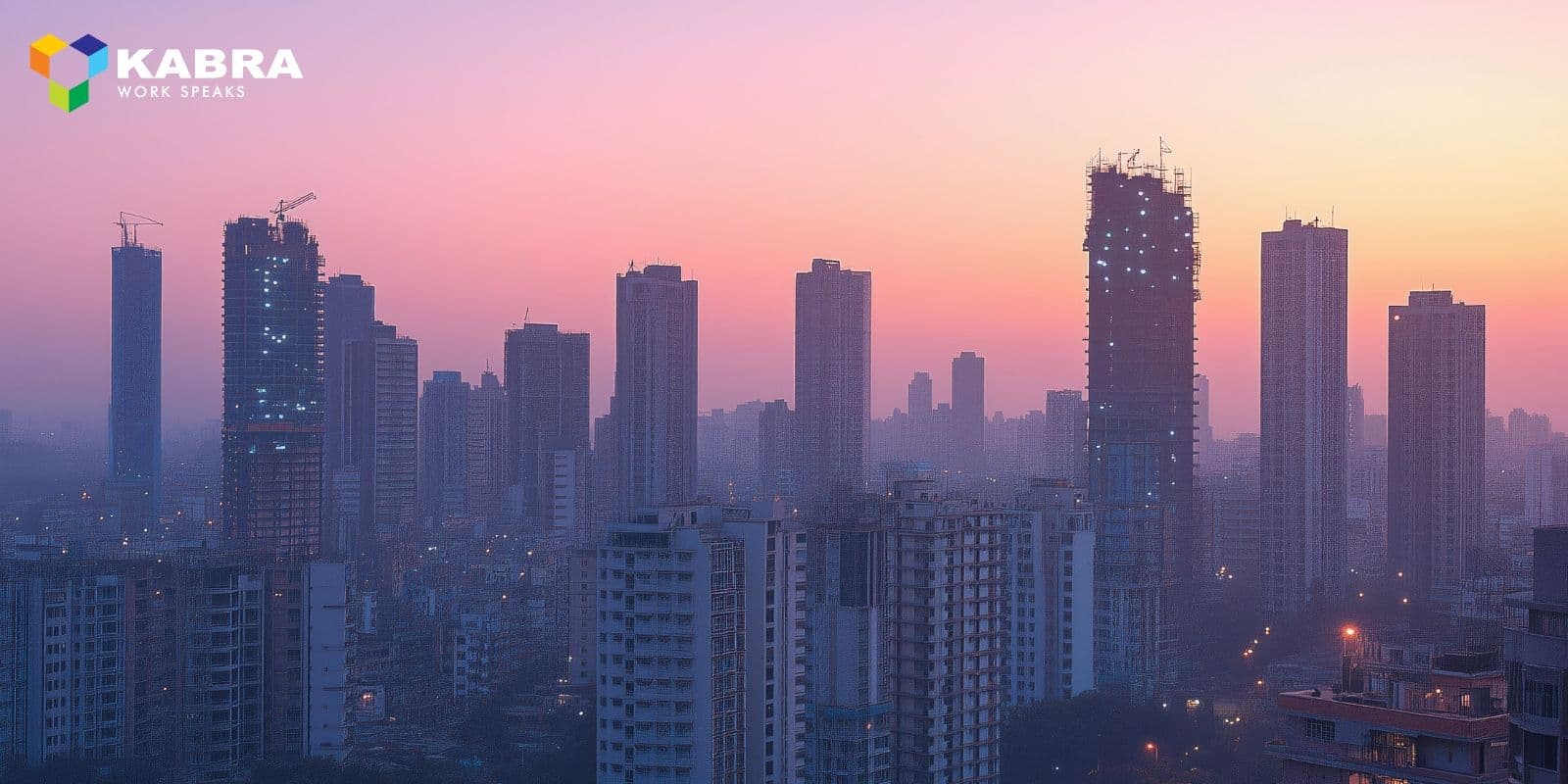
In 2026, home values are being shaped by more than location alone. Buyers are increasingly evaluating the quality, reliability, and future readiness of infrastructure surrounding a home. From utilities to social facilities, infrastructure now plays a direct role in both daily living and long-term property value.
Here’s how infrastructure will influence home values in a deeper, more meaningful way in 2026.
1. Transportation Is the Foundation, Not the Full Story
Yes, connectivity still matters. Metro lines, link roads, and highways reduce commute times and expand access to employment hubs. But in 2026, transport is no longer a differentiator on its own, it’s an expectation.
Areas that merely promise connectivity are less attractive than those where infrastructure is already functional or nearing completion. Buyers are placing higher value on certainty over speculation.
Impact on value: Stable appreciation rather than short-term spikes.
2. Utility Infrastructure Will Separate Strong Projects From Average Ones
Reliable water supply, power infrastructure, drainage systems, and waste management are becoming non-negotiable for buyers.
In 2026, projects located in areas with:
Planned water augmentation
Upgraded sewage and drainage
Stable electricity networks
will command stronger long-term value than those dependent on outdated civic systems.
3. Social Infrastructure Is Driving End-User Demand
Homebuyers are increasingly choosing locations based on proximity to:
Schools and colleges
Hospitals and healthcare facilities
Daily retail and essential services
This “walkable convenience” reduces dependency on long travel and improves quality of life, making homes more desirable for families and long-term residents.
Impact on value: Sustained demand from end users, not just investors.
4. Redevelopment and Urban Renewal Are Creating New Value Zones
In mature urban areas, redevelopment has become a key infrastructure driver. Older neighbourhoods are being upgraded with:
Better roads and internal layouts
Modern safety and fire norms
Improved open spaces and amenities
Redeveloped zones often outperform newer outskirts because they combine existing social infrastructure with modern living standards.
Impact on value: Stronger appreciation with lower risk compared to undeveloped areas.
5. Environmental Infrastructure Is Gaining Importance
Buyers in 2026 are more conscious of environmental factors such as:
Green cover and open spaces
Flood mitigation and drainage planning
Air quality and noise buffering
Locations with planned green buffers, landscaped open areas, and climate-responsive infrastructure are becoming more valuable over time.
Impact on value: Higher livability scores and better long-term desirability.
6. Digital and Safety Infrastructure Is No Longer Optional
Infrastructure today also includes:
High-speed internet readiness
CCTV and surveillance systems
Smart access control and security planning
Projects and locations that support modern digital and safety infrastructure align better with current buyer expectations.
Impact on value: Higher appeal to working professionals and younger families.
7. Infrastructure Certainty Matters More Than Announcements
One of the biggest shifts in 2026 is buyer scepticism toward announcements without execution.
Buyers are prioritising:
Projects near operational or near-completion infrastructure
Developers with a track record of delivery
Locations where civic upgrades are visible, not just proposed
Impact on value: Reduced volatility and stronger trust-driven demand.
What This Means for Homebuyers in 2026
Home values in 2026 will be shaped by holistic infrastructure, not isolated projects. Buyers who evaluate:
Utility readiness
Social ecosystem
Redevelopment quality
Environmental planning
are more likely to choose homes that hold value and deliver better daily living.
Bringing It Together
At Kabra Group, project planning has always focused on long-term livability, not short-term trends. Developments positioned within established neighbourhoods, supported by reliable civic infrastructure and future-ready planning, naturally align with how buyers are making decisions in 2026.
Homes that sit within well-developed ecosystems rather than standalone locations are better equipped to deliver both comfort and value over time.

 By Kabra Group
 Prerendered